
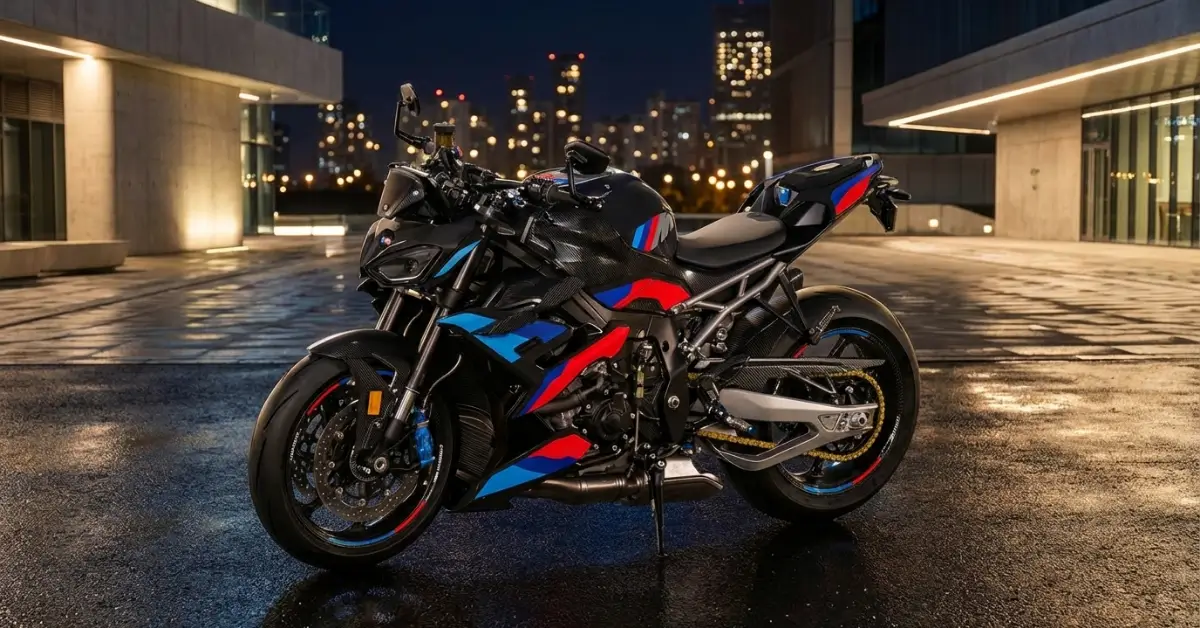
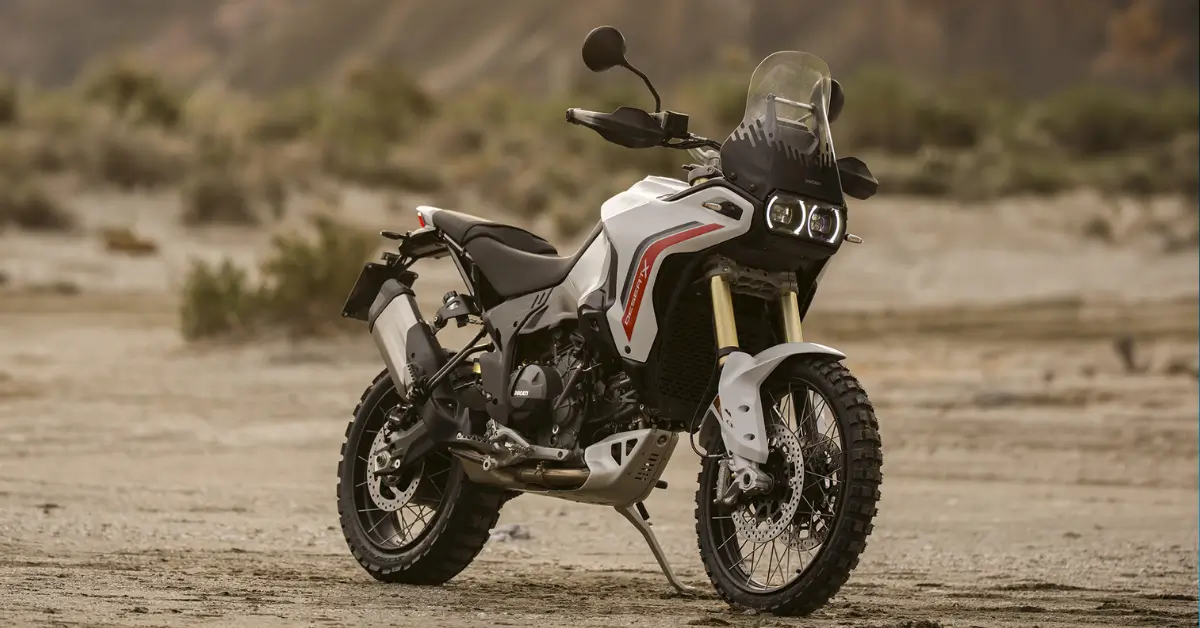










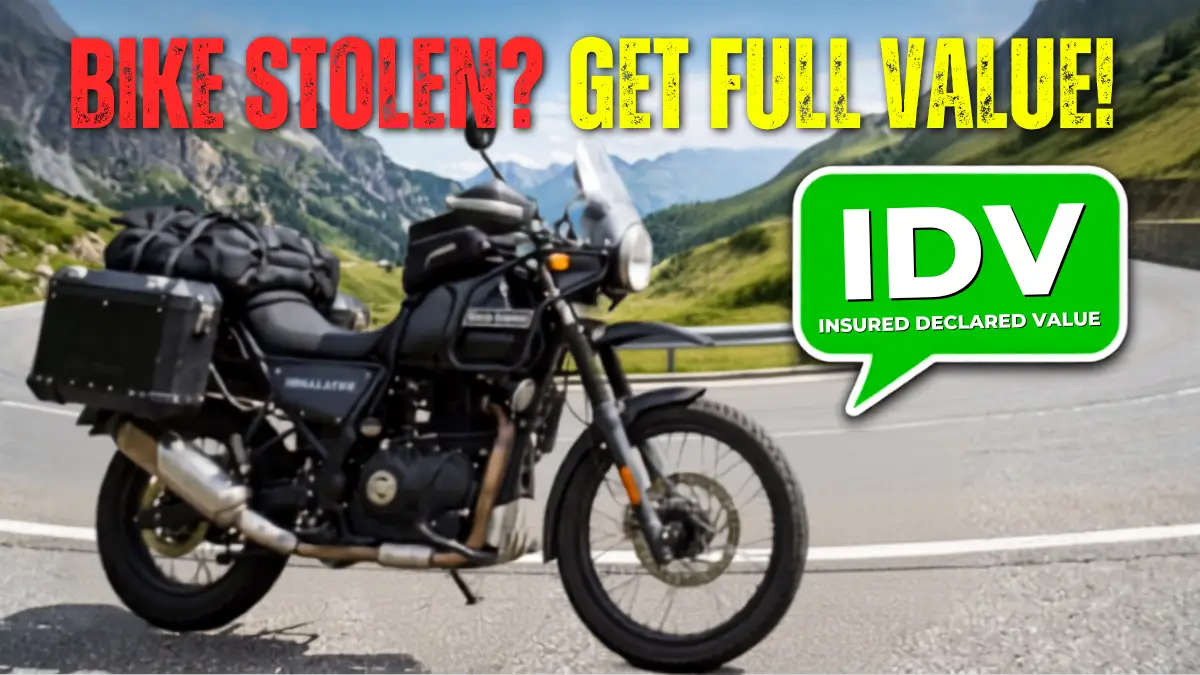
On average over 2 lakh motorcycles are reportedly stolen across India every year. And the bikers who had their IDV got their bike’s value back. That’s how crucial IDV is – if you have it, you can get your bike’s full price value in case of theft and damage.
Here I cover what IDV in bike insurance means, how it is calculated, how it changes your premium, and how to set it right, with real numbers you can follow.
What Is IDV in Bike Insurance? Meaning Explained
IDV stands for Insured Declared Value. It is the value your insurer puts on your bike for the policy year, and it is the maximum you will be paid if the bike is stolen or damaged beyond repair.
IDV is a figure worked out from the showroom price of your model, minus a depreciation percentage fixed by the age of the bike. Since your bike ages every year, the IDV drops at every renewal.
How Is IDV Calculated in Bike Insurance?
Your insurer starts with the manufacturer's listed selling price, which is the ex-showroom price of your exact model and variant. From that, it subtracts depreciation based on how old the bike is. Registration charges, road tax and the insurance cost itself stay out of the calculation.
Anything you bolted on later gets valued separately. That crash guard, the top box, the aftermarket exhaust, the touring screen. If you want them covered, you declare them, and they carry their own depreciation.
IDV Calculation Formula With a Worked Example
IDV = (manufacturer's listed selling price - depreciation) + (cost of extra accessories - depreciation), excluding registration and insurance costs.
Take a Royal Enfield Classic 350 bought at ₹1,87,000 ex-showroom, now over two years old. A bike that has crossed two years but not three carries 30 percent depreciation. So the bike loses ₹56,100 on paper, and the IDV lands at roughly ₹1,30,900.
How the numbers work:
Ex-showroom price: ₹1,87,000
Depreciation (30% for a bike past 2 years): ₹1,87,000 × 30% = ₹56,100
IDV: ₹1,87,000 − ₹56,100 = ₹1,30,900
If someone lifts that Classic from outside your office tomorrow, ₹1,30,900 is the ceiling on your claim. Not the ₹2.15 lakh you paid on the road.
IDV of a New Bike vs an Older Bike
A brand new bike gets an IDV of about 95 percent of its ex-showroom price, because even a bike sold once carries a minimum 5 percent depreciation. From there it falls fast. The same Classic 350, once it is into its fifth year, is insured for half of what it cost new, even if it has 9,000 km on the clock and looks showroom fresh.
Past five years there is no fixed rate at all. You and the insurer agree on a figure based on the bike's condition, running, and whether spares are still easy to find. This is where a well kept bike earns you money, and a neglected one costs you.
Bike Insurance Depreciation Chart for IDV
The depreciation grid comes from the India Motor Tariff 2002 (GR-8) and is applied uniformly across the industry, so it does not change from one insurer to another. Only the base price they start from can differ.
|
Age of the Bike |
Rate of Depreciation (for IDV) |
|---|---|
|
Up to 6 months |
5% |
|
6 months to 1 year |
15% |
|
1 to 2 years |
20% |
|
2 to 3 years |
30% |
|
3 to 4 years |
40% |
|
4 to 5 years |
50% |
For two wheelers older than five years, or models no longer in production, there is no fixed rate. Some insurers send a surveyor to inspect the bike before agreeing on a number. Owners of older Bullets, RD350s and long discontinued commuters end up in exactly this conversation.
The Trap Most Riders Fall Into: IDV Does Not Exist on a Third-Party Policy
Here is the part that catches thousands of riders every year. IDV applies only to the own damage side of your policy. A third-party bike insurance policy has no IDV, because it only pays for damage you cause to someone else. Your own bike is worth zero to that policy.
Since September 2018, every new two wheeler in India is sold with a five year third-party cover bundled in. Own damage cover usually runs for one year alongside it. So a year later, the own damage part quietly lapses while the third-party cover keeps running.
You are still legally insured. Your bike is not. Ride like that for three years, and a theft claim gets you nothing at all. If you have never checked which cover you actually hold, check the policy PDF before you finish this article.
IDV vs Market Value: What Is the Difference?
Market value is what your bike would fetch if you listed it for sale today. IDV is an insurance number, built from the showroom price and a fixed depreciation percentage.
The two usually sit close, but not always. Some models hold value stubbornly in the used market, and Royal Enfields are the obvious example. A three year old Classic can sell for more than its IDV, and your insurer will still cap a theft payout at the IDV. Commuter scooters often swing the other way. So set your IDV as close to the real resale value as your insurer allows.
IDV vs Invoice Value: Which One Is Higher?
Invoice value is the full on-road price you paid, including ex-showroom price, road tax, registration and insurance. IDV is always lower, because it strips out those costs and then removes depreciation on top.
The gap is widest in the first year. Buy a bike for ₹2.15 lakh on road, lose it to theft in month three, and a standard policy pays around 95 percent of the ex-showroom price — roughly ₹1,77,650. You could be close to ₹38,000 short on a bike you barely rode.
Factors That Decide Your Bike's IDV
Age does most of the work, since depreciation climbs every year. The make, model and variant matter next, because a 350cc cruiser and a 110cc commuter behave differently as assets.
Your city of registration nudges the figure too. Insurers price theft risk by geography, and a bike parked in a high theft zone can be quoted differently from the same bike in a smaller town. Non-standard accessories and modifications are valued separately and added on, but only if you declare them.
How IDV Affects Your Bike Insurance Premium
The own damage part of your premium is charged as a percentage of the IDV. Raise the IDV and you pay more now but get more later. Drop it and you save a few hundred rupees today at the cost of your payout.
On a small commuter, those few hundred rupees feel like a lot when the whole premium is under ₹2,000. Move up to a 350cc bike and the mandatory third-party slice alone runs to roughly ₹1,200–1,400 before the 18 percent GST, so the own-damage portion is where your choices actually show up. Either way, the saving is small and visible. The shortfall is large and invisible until the day it matters.
High IDV vs Low IDV: Pros and Cons
|
Aspect |
High IDV |
Low IDV |
|---|---|---|
|
Pros |
Bigger payout if the bike is stolen or written off; settlement closer to real replacement cost; better protection on premium and 350cc-plus models |
Lower premium each year; makes sense on old, low value bikes where the premium gap is not worth it |
|
Cons |
Higher own damage premium; an inflated IDV invites scrutiny and can get a total loss claim disputed |
Payout can fall far below what a replacement costs; leaves you funding the gap yourself |
How to Calculate Bike IDV Online Using an IDV Calculator
You do not need to do this by hand. Most insurers and comparison sites run a free IDV calculator. I prefer the General Insurance Council tool at idv.gicouncil.in, because it does not ask for your phone number and then chase you with sales calls for the next month.
Enter vehicle type, state, month and year of registration, make, model and variant, and it returns an indicative IDV. It stops there — no premium quote — so use it purely as a sanity check on the IDV an insurer offers you.
When one quote is cheaper than another, the difference is often the IDV, not the insurer being generous.
How to Increase or Optimise Your Bike's IDV
Depreciation is fixed by age, but you still have levers. Service the bike on schedule and keep the records, because for anything over five years, condition is the whole negotiation. Declare manufacturer approved accessories instead of leaving them off the policy, since undeclared parts get nothing at claim time.
Add zero depreciation cover while your bike is still young, as most insurers stop offering it after five years. Pair it with Return to Invoice on a new bike. And treat the renewal quote as an opening offer, not a final one. Most insurers let you move the IDV by 10 to 15 percent either way.
IDV in Theft and Total Loss Claims: How the Payout Works
IDV matters in two situations. Theft, and total loss, where repairing the bike costs more than it is worth.
Insurers usually treat a bike as a total loss once repair estimates cross roughly 75 percent of the IDV. On a two wheeler, that threshold arrives faster than people expect. A bent frame, a cracked fork, a damaged swingarm and a set of panels can wipe out three quarters of a ₹60,000 IDV in a single estimate. At that point you get the IDV minus your compulsory deductible, and you hand over the bike.
For everyday claims, a scratched tank, a broken lever, a bent handlebar, the IDV never gets paid. It only sets the roof on your cover.
IDV for Electric Scooters and Bikes
Electric two wheelers add one wrinkle. Your IDV is built on the manufacturer's listed selling price, and where a government demand incentive has been passed on at the point of sale, the figure on your invoice is the discounted one. The PM E-DRIVE incentive for electric two wheelers was scheduled to end on 31 July 2026, with support for e-three-wheelers continuing to March 2028, so check what, if anything, was knocked off your invoice rather than assuming a subsidy applied.
Ask your insurer which figure they used. It matters more on an EV than a petrol bike, because the battery alone accounts for a huge slice of the replacement cost, and stolen EV batteries have a ready market. Check whether your policy covers battery damage separately before you decide the IDV is fine as offered.
Common Mistakes to Avoid When Setting Bike IDV
The most common one is picking the cheapest quote on a comparison site without opening the IDV field. A ₹300 saving usually hides a ₹20,000 smaller payout.
The opposite mistake is declaring an inflated IDV in the hope of a bigger cheque. Insurers investigate total loss claims, and an unrealistic value invites a dispute you will lose. The other pitfalls are quieter. Forgetting to declare accessories. Letting the own damage cover lapse while the long-term third-party policy runs. Renewing on autopilot for four years without ever checking what your bike is insured for.
Key Takeaways
IDV is the most important number in your bike policy after the premium. It caps what you receive if the bike is stolen or written off, and it shapes what you pay every year.
Open your policy document and find it. Compare it against what your bike would sell for today on BikeOnWheels. Adjust it at renewal instead of accepting the default, keep your own damage cover alive, and add zero depreciation and Return to Invoice while the bike is young enough to qualify. More than 2.24 lakh motorcycles were stolen in 2023 alone, and the owners who had checked this number were the only ones who got a fair answer.