












Bajaj Avenger Cruise 220
₹ 1.29 L
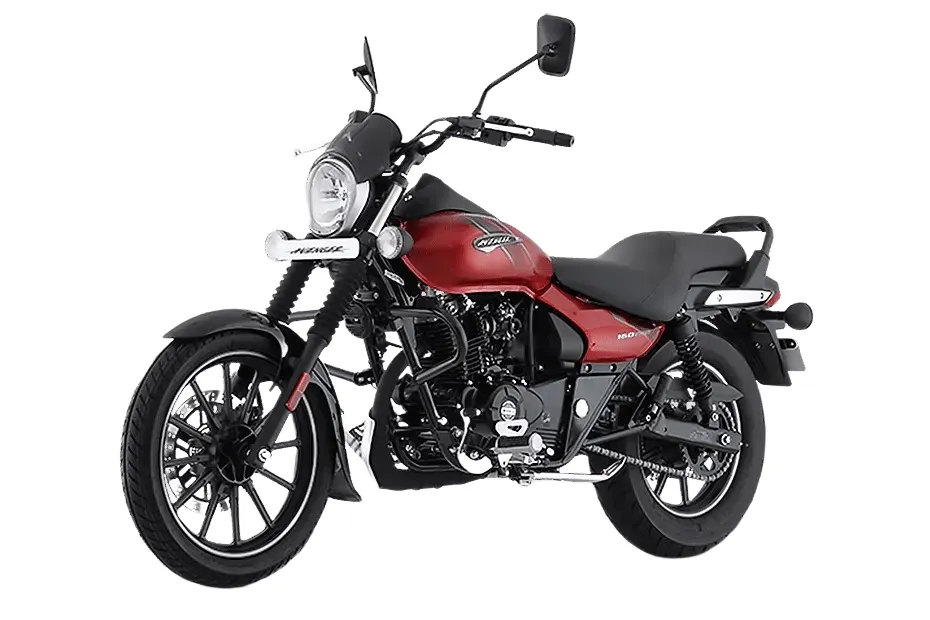
Dreaming of open roads and comfortable cruising? The Bajaj Avenger Cruise 220 is a name that immediately comes to mind for Indian riders seeking that classic cruiser feel without breaking the bank. With its iconic styling, relaxed riding posture, and robust performance, it promises an unmatched touring experience right here on BikeOnWheels.
Bajaj Avenger Cruise 220 Price in India
Let's talk about the affordability factor. The Bajaj Avenger Cruise 220 price in India typically ranges from around ₹1.45 Lakh to ₹1.55 Lakh (ex-showroom, approximate values). This makes it an incredibly attractive option for anyone looking to own a genuine cruiser without stretching their budget too thin. It offers immense value for its segment, making the dream of long rides accessible to many.
Mileage & Performance: Powering Your Journeys
The heart of the Avenger Cruise 220 is its reliable 220cc, single-cylinder, oil-cooled, DTS-i engine. This powertrain delivers a healthy output of approximately 19 PS of power and 17.5 Nm of torque, ensuring smooth acceleration and effortless highway cruising. When it comes to efficiency, the Bajaj Avenger Cruise 220 mileage stands impressively at around 35-40 km/l, depending on riding conditions and maintenance. This excellent fuel economy means fewer stops at the petrol pump, letting you enjoy your journey longer. Its engine is designed for consistent, comfortable performance, making long rides a breeze.
Dimensions & Capacity: Built for Comfort and Stability
Regarding its physical presence, the Bajaj Avenger Cruise 220 dimensions are truly cruiser-like. It boasts a length of approximately 2210 mm, a width of 806 mm, and a height of 1140 mm. The long wheelbase of 1490 mm ensures excellent stability at high speeds, while the low seat height of about 737 mm makes it easy for riders of all statures to handle. The Gross Vehicle Weight (GVW) is around 340 kg, with a kerb weight of 163 kg, providing a substantial payload capacity suitable for a rider, a pillion, and light touring luggage. While it doesn't offer dedicated cargo space, the rear grab rail is perfect for strapping on a travel bag for those weekend getaways.
Use Cases: Your Perfect Riding Companion
The Avenger Cruise 220 truly shines in its intended use cases. It's the ideal choice for relaxed highway touring, allowing you to cover long distances with utmost comfort. Its plush seat, forward-set footpegs, and tall windscreen protect you from windblast. It also serves as a great bike for city commuting, thanks to its manageable dimensions and smooth power delivery, making daily rides enjoyable and stress-free. If you love weekend rides and exploring new destinations, this bike is definitely for you.
Reviews & Reliability: Trust on Two Wheels
User reviews for the Bajaj Avenger Cruise 220 consistently highlight its comfort, classic looks, and reliable performance. Riders often praise its smooth engine and low maintenance costs, making it a practical choice for long-term ownership. Bajaj’s widespread service network across India further adds to its reliability, ensuring that help is always at hand. This bike has built a reputation for trust and strong after-sales support.
Variants & Competitors: A Class Apart
Bajaj offers the Avenger in two primary variants: the Cruise and the Street. The Cruise 220, as discussed, focuses on classic chrome styling and touring comfort. Its main competitors in the Indian market include bikes like the Royal Enfield Hunter 350 or TVS Ronin, though none directly replicate the pure cruiser experience as affordably as the Avenger. It carved out its niche, offering a unique proposition in the cruiser segment.
Conclusion: Why the Avenger Cruise 220 is a Smart Choice
In summary, the Bajaj Avenger Cruise 220 is an exceptional choice for Indian riders looking for a comfortable, stylish, and affordable cruiser. With its attractive Bajaj Avenger Cruise 220 price in India, commendable Bajaj Avenger Cruise 220 mileage, and well-thought-out Bajaj Avenger Cruise 220 dimensions, it offers a complete package. It’s perfect for those who desire the open-road experience, be it for daily commutes or long-distance touring. If you’re searching for the best bike in India that combines cruiser aesthetics with practical performance, the Avenger Cruise 220 from BikeOnWheels deserves serious consideration. Get ready to cruise in style and comfort!
About the ‘Bajaj Avenger Cruise 220’
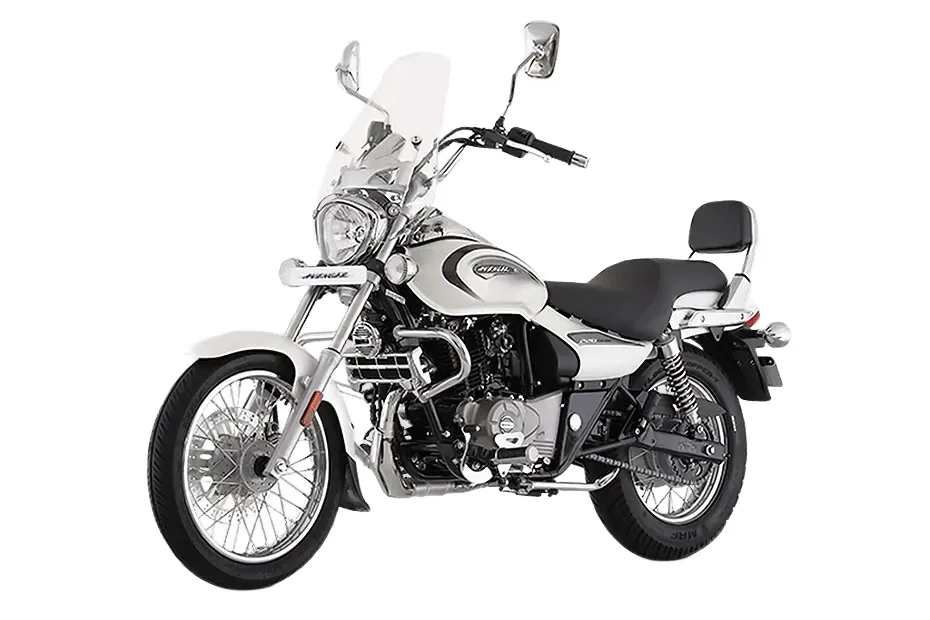
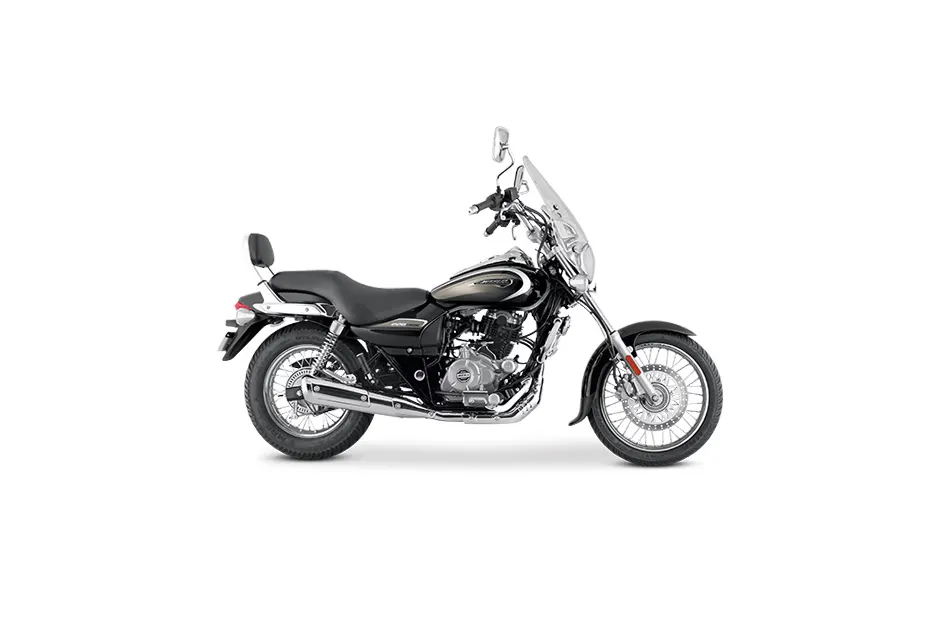
The Bajaj Avenger Cruise 220 stands as a prominent cruiser motorcycle in the Indian market. It offers a relaxed and comfortable riding experience. This model caters specifically to riders seeking a distinctive cruiser style. It combines classic design elements with modern functionality. The Avenger Cruise 220 targets Indian enthusiasts and daily commuters who prioritize comfort for both city rides and longer highway journeys. Positioned as an accessible cruiser in Bajaj's lineup, it provides a unique option. Its design boasts a low-slung profile, extended wheelbase, and generous chrome accents. A tall windshield adds to its touring appeal. Key strengths include its comfortable ergonomics, stable highway performance, and good mileage for its segment. It is ideal for mixed usage, excelling on highways while managing city conditions well.
‘Bajaj Avenger Cruise 220’ Price in India
The Bajaj Avenger Cruise 220 typically starts at an ex-showroom price around ₹1.29 lakh in India. This price can vary slightly based on city, dealership, and any current offers. As a specific model, it usually comes in a single well-equipped variant, hence no separate top variant price. Its pricing places it squarely in the mid-range motorcycle segment. It appeals to buyers seeking a feature-rich cruiser without a premium price tag. The model focuses on delivering value, combining its unique style with practical performance for budget-conscious cruiser enthusiasts.
‘Bajaj Avenger Cruise 220’ Variants and Specifications
The Bajaj Avenger Cruise 220 is primarily available as a single, distinct variant. This model emphasizes its unique cruiser identity and specific features.
Engine Type: Petrol, single-cylinder, oil-cooled, DTS-i engine.
Engine Displacement: 220 cc.
Power Output: Approximately 19.03 PS at 8500 rpm. This translates to decent power for highway cruising.
Torque Output: Roughly 17.55 Nm at 7000 rpm. This provides good pulling power, especially in city traffic and for highway overtakes.
Mileage: Expect an average mileage of around 40 kmpl under mixed riding conditions. This figure can vary based on riding style and road conditions.
Transmission Type: Smooth 5-speed manual gearbox. This offers precise gear shifts for diverse riding scenarios.
Charging Time: Not applicable, as it is a petrol-powered motorcycle.
Features and Technology
The Bajaj Avenger Cruise 220 is equipped with features enhancing both safety and rider comfort. Safety is prioritized with its reliable braking system. It features a single-channel Anti-lock Braking System (ABS) on the front wheel. This greatly improves braking control, especially in emergency situations. Disc brakes are present on the front wheel, with a drum brake at the rear, ensuring effective stopping power. For comfort and convenience, the motorcycle offers a low-slung seating position. This is characteristic of cruisers. A well-padded backrest for the pillion rider adds to comfort on long rides. Its tall windscreen effectively deflects wind, reducing rider fatigue on highways. The semi-digital instrument cluster provides essential ride information clearly. It blends a classic analogue speedometer with a modern digital display for fuel level, trip meters, and odometer. The long wheelbase and comfortable ergonomics further contribute to a stable and plush ride. Build quality is robust, designed to withstand varied Indian road conditions.
Mileage, Performance, and Riding Experience
The Bajaj Avenger Cruise 220 offers a balanced blend of mileage and performance. Its 220cc DTS-i engine is tuned for a smooth power delivery. This makes it efficient for daily commutes and robust enough for highway stretches. In real-world usage, riders can expect consistent performance. The motorcycle delivers good fuel economy for a 220cc unit, making it cost-effective for regular use. It performs exceptionally well on highways, where its relaxed riding posture and stable chassis shine. Long-distance journeys become enjoyable and less tiring. While primarily a cruiser, it navigates city traffic with reasonable ease. The nimble handling ensures good maneuverability despite its longer wheelbase. The low seating height makes it accessible for riders of varying statures. Overall, the riding experience is comfortable and reassuring. It effectively handles typical Indian road conditions, offering a refined and stable ride.
Competitors of ‘Bajaj Avenger Cruise 220’ in India
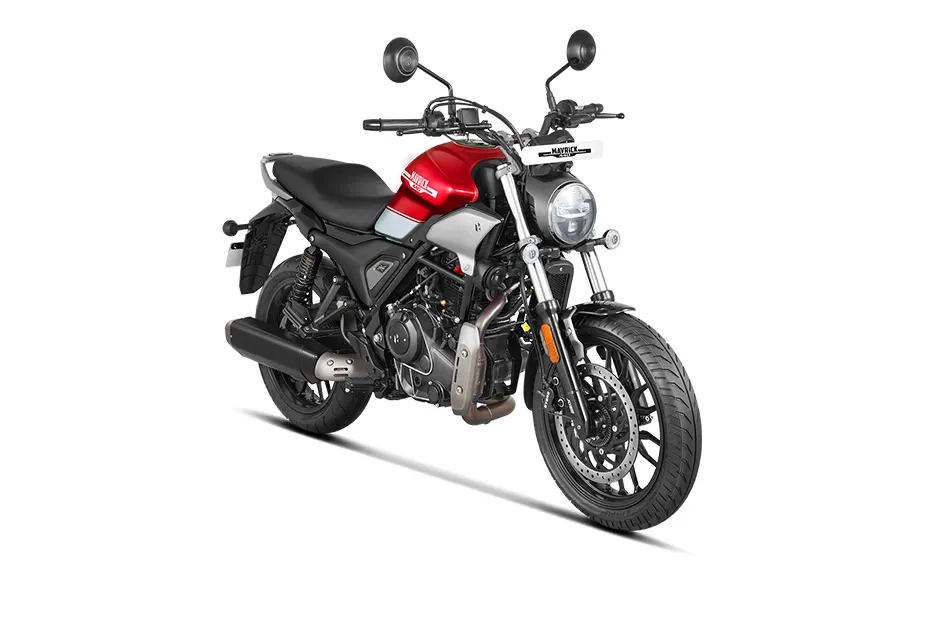
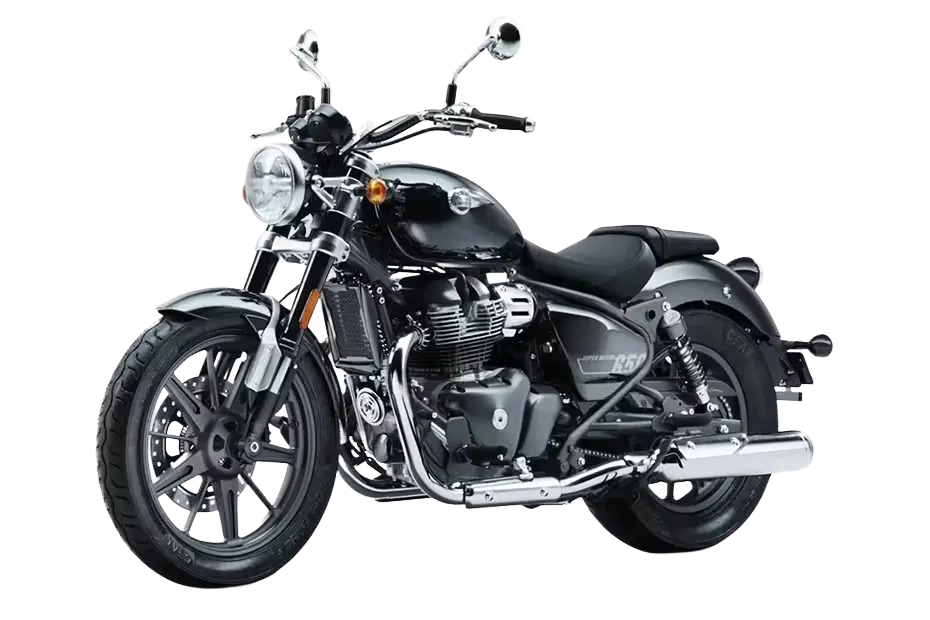
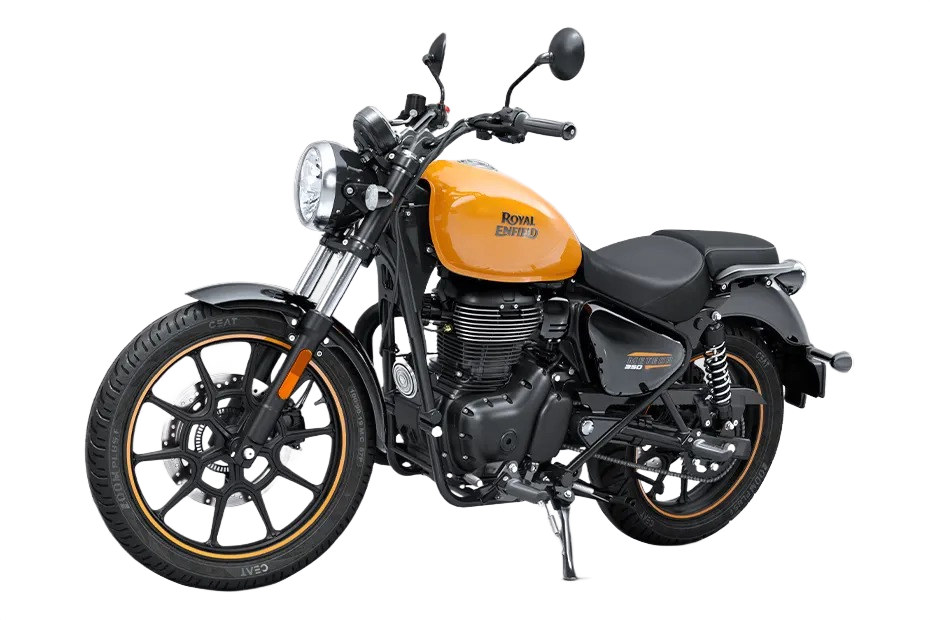
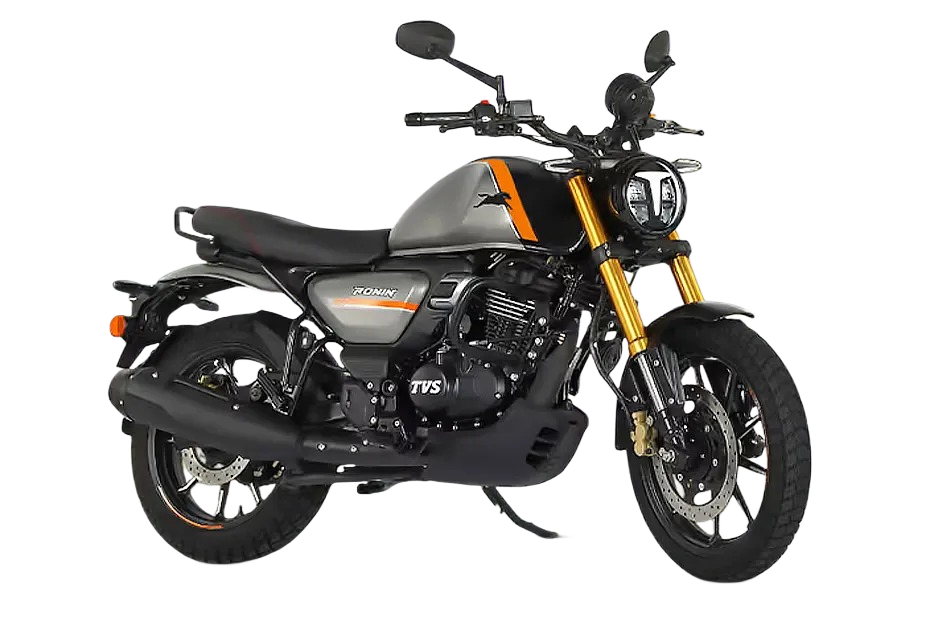
In the Indian market, the Bajaj Avenger Cruise 220 faces competition from several models. These bikes often target a similar customer base looking for comfortable, stylish, or retro-themed motorcycles. Close rivals include the Royal Enfield Hunter 350, which offers a classic roadster appeal at a competitive price point. The TVS Ronin also presents a challenge with its retro-modern styling and feature-rich package. Another contender is the Yezdi Roadster, offering a more premium cruiser experience. While the Avenger Cruise 220 maintains its unique cruiser identity, these rivals compete based on engine performance, features, styling, and overall brand appeal. Buyers often compare the Avenger's highway comfort and specific cruiser aesthetics against the more versatile or classic roadster designs of its competitors. The Avenger stands out for its specific focus on an affordable, pure cruiser experience.
.webp)