For most Indian scooter buyers, the decision comes down to one number — how far it goes on what you put into it. Until recently that meant kmpl. Today, with electric scooters crossing 200 km on a charge, there are two currencies: kmpl for petrol scooters and km of range for electric ones.
This page lists every high-mileage petrol scooter and long-range electric scooter on sale in India, with claimed figures, ex-showroom prices and full specifications. Below, we explain how to read both sets of numbers — because in both cases, the brochure number is not the number you get.
Top 10 Best Mileage Scooters in India
Ranked by manufacturer-claimed ARAI mileage. Prices are ex-showroom Delhi, August 2026.
- Yamaha RayZR 125 Fi Hybrid — 71.33 kmpl, from ₹77,730
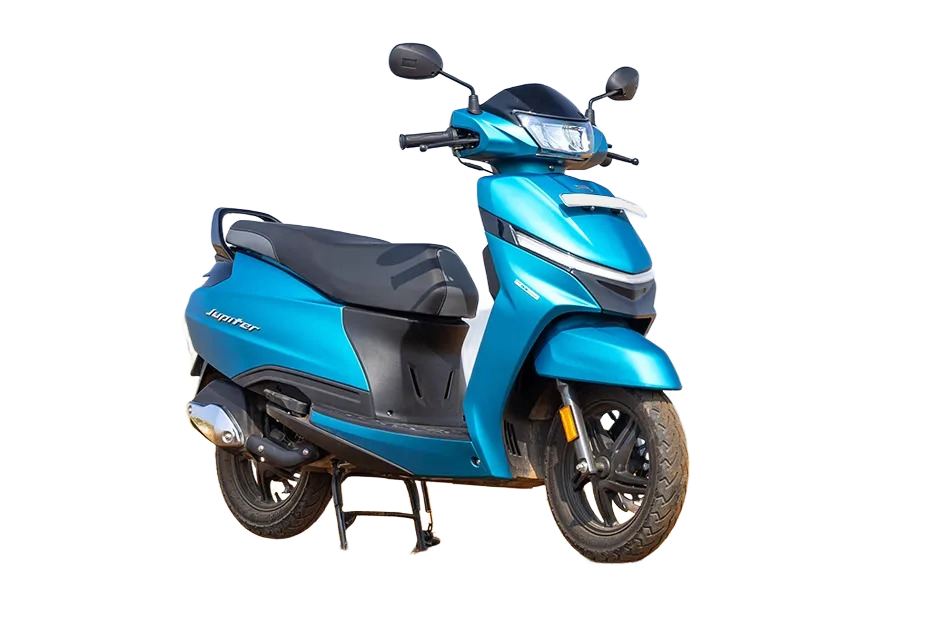
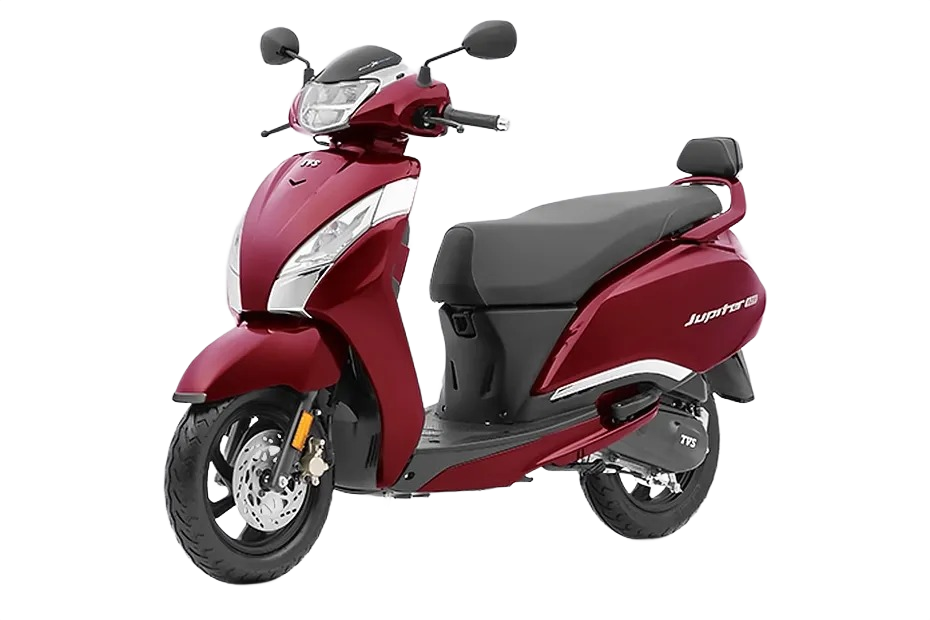
- TVS Jupiter — 61.2 kmpl, from ₹73,975
- Hero Destini 125 — 60 kmpl, from ₹79,388
- Honda Activa — 59 kmpl, from ₹76,083
- Hero Destini 110 — 56 kmpl, from ₹73,900
- Hero Destini Prime — 56 kmpl, from ₹74,710
- Suzuki Avenis — 55 kmpl, from ₹89,593
- Hero Xoom 110 — 53 kmpl, from ₹74,321
- Hero Xoom 125 — 52 kmpl, from ₹83,394
- Hero Pleasure Plus — 52 kmpl, from ₹69,766
The Yamaha RayZR and its sibling the Fascino 125 lead this list because of Yamaha's Blue Core hybrid system, which uses a small motor to assist the engine from a standstill — exactly where a scooter wastes the most fuel.
ARAI Mileage vs Real-World Mileage on Scooters
Claimed figures come from ARAI's controlled laboratory cycle — steady speed, standard rider weight, no pillion, no traffic. Independent road testing tells a different story.
BikeWale's tested figures put the Yamaha RayZR 125 at around 51 kmpl against its 71 kmpl claim, the TVS Jupiter at 49 kmpl against 61, and the Hero Destini 125 at 52 kmpl against 60. The pattern is consistent: expect 20–30% below the claimed number in real city riding.
That gap is not a scandal, and it does not invalidate the ranking — ARAI applies the same test to every scooter, so the comparison between models stays valid. Just plan your fuel budget on the real figure, not the brochure one.
Why scooters return less than motorcycles
A 125cc scooter typically gives up around 10 kmpl to a 125cc motorcycle. The cause is the CVT — the twist-and-go gearbox that makes scooters easy in traffic loses more energy than a motorcycle's direct chain drive. Gearless convenience has a fuel price, and it is worth knowing you are paying it.
Best Mileage 110cc vs 125cc Scooters
The 110cc class — TVS Jupiter, Honda Activa, Hero Destini 110, Hero Pleasure Plus — is the sweet spot for short city commutes. These are simple, light and cheap to service.
The 125cc class — Yamaha RayZR 125 Fi Hybrid, Yamaha Fascino 125, Hero Destini 125, Suzuki Avenis, TVS Jupiter 125, Hero Xoom 125 — now matches or beats 110cc scooters on mileage thanks to fuel injection and hybrid assist, while adding overtaking ability and pillion comfort. Ride with a passenger or cover more than 25 km a day, and 125cc is the better buy.
Longest Range Electric Scooters in India
Electric scooters are measured in certified range (usually IDC) rather than kmpl. These are the leaders:
- Ola S1 Pro+ (5.2 kWh) — 320 km certified, from around ₹1.90 lakh
- Simple One — 248–265 km certified, from ₹1.66 lakh
- TVS iQube ST (5.3 kWh) — 212 km certified, from around ₹1.75 lakh
- Hero Vida VX2 Plus (4.4 kWh) — 187 km certified, from around ₹1.51 lakh
- Ola S1 Pro — 176 km certified, from ₹1.25 lakh
- TVS iQube S — 175 km certified, from ₹1.65 lakh
- Ather 450X — up to 161 km certified, from ₹1.51 lakh
- Ather Rizta Z — up to 159 km certified, from around ₹1.59 lakh
- Vida V2 — 143–165 km certified, from ₹1.20 lakh
- Bajaj Chetak 3501 — 153 km certified, from around ₹1.46 lakh
- Vida VX2 — 93–128 km certified, from ₹84,999
Certified range vs real range
The claimed-versus-real gap is even wider on electric scooters than on petrol. IDC certification is run at low, steady speeds in ideal conditions. In normal riding — with a pillion, in traffic, in Sport mode, in Indian summer heat — expect roughly 25–35% below the certified figure. A 150 km certified scooter realistically delivers 100–115 km. Simple One, one of the few models with published independent testing, returns around 212 km in Eco mode against a 248–265 km claim.
Battery capacity in kWh is often a more honest guide than the range number, because it cannot be optimised for a test cycle.
Petrol vs Electric: What It Actually Costs to Run
This is where the two categories separate sharply. A petrol scooter returning a realistic 50 kmpl, with petrol at roughly ₹100 a litre, costs about ₹2 per kilometre in fuel. An electric scooter using around 0.035 kWh per kilometre, charged at a domestic tariff of roughly ₹8 per unit, costs about ₹0.30 per kilometre — six to seven times less.
Over 12,000 km a year, that is a difference of around ₹20,000. Set against an electric scooter's higher purchase price, payback typically lands between two and four years — and the more you ride, the faster electric wins.
Electric also removes engine oil, air filters, spark plugs and clutch wear from your service bill. Against that, weigh battery warranty terms, home charging access and resale value in a market still finding its feet.
How to Get More Out of Your Scooter
- Tyre pressure is the biggest and most ignored factor on both petrol and electric. Under-inflation can cost 8–10%. Check weekly.
- Ride mode matters on EVs — Eco versus Sport can swing real range by 30% or more.
- Smooth throttle beats every fuel-saving accessory. Hard acceleration from every signal is the costliest habit on a CVT scooter.
- Service the air filter and spark plug on schedule; both degrade mileage gradually and invisibly.
- Charge EVs to 80% for daily use and avoid deep discharges — it protects battery health and usable range.
How to Choose the Right Scooter
Start with your daily distance. Under 25 km a day, a 110cc petrol scooter like the TVS Jupiter or Honda Activa is the cheapest and simplest thing you can own. Between 25 and 50 km, a 125cc hybrid such as the Yamaha RayZR 125 Fi Hybrid gives the best balance of mileage and usability.
Above 40–50 km a day with home charging available, an electric scooter becomes financially compelling — the running-cost gap pays back the price premium quickly. Without reliable home charging, petrol remains the practical choice regardless of the maths.
Use the filters on this page to sort by price, mileage, brand, fuel type and body type, then open any model for full specifications, variants, colours and on-road pricing in your city.